If you’ve ever found yourself reaching for food when you weren’t physically hungry — late at night, after a hard conversation, or when the day has simply worn you down — please hear this first:
You’re not broken.
You’re human.
Emotional eating isn’t a lack of discipline.
It’s a signal.
And learning how to respond to that signal — instead of numbing it — can change everything.
Why Emotional Eating Feels So Automatic
Emotional eating is rarely a conscious choice.
Over time, your brain learns a pattern:
-
Stress → eat
-
Loneliness → eat
-
Disappointment → eat
Food becomes comfort, distraction, relief.
Scripture reminds us that much of what drives us happens beneath the surface.
“Search me, God, and know my heart… see if there is any offensive way in me.” (Psalm 139:23–24)
Before we can change behavior, we need awareness.
One Powerful Tool to Stop Emotional Eating Before It Starts
Before you eat, pause and ask yourself one honest question:
“What am I really craving right now?”
This question is simple — but it’s not shallow.
It creates space between the urge and the action.
And in that space, truth often rises.
What This Question Reveals
When you slow down long enough to ask, you may discover you’re craving:
-
Comfort
-
Rest
-
Connection
-
Encouragement
-
Relief from pressure
-
Permission to stop
Food has simply become the substitute.
The apostle Paul reminds us:
“Be angry, and do not sin… do not give the enemy a foothold.” (Ephesians 4:26–27)
In other words, feelings aren’t the problem — letting them control our behavior is.
How to Practice the Pause (Without Perfection)
Here’s how to use this tool gently and effectively:
-
Pause for a moment
No guilt. No rules. Just awareness. -
Ask the question
“What am I really craving right now?” -
Acknowledge the answer
Even if you don’t like it. -
Meet the need first
Pray. Rest. Reach out. Breathe. Journal. Step outside.
You may still choose to eat — and that’s okay.
But often, the urge loses its power once it’s been understood.
Why This Works (When Diets Don’t)
Most diets focus on controlling food.
This approach focuses on understanding the heart.
When emotional needs go unmet, food steps in.
When those needs are brought to God, food no longer has to carry that weight.
“Cast all your anxiety on Him because He cares for you.” (1 Peter 5:7)
That includes anxiety about food.
A Gentle Next Step
This pause is just one small piece of the healing process.
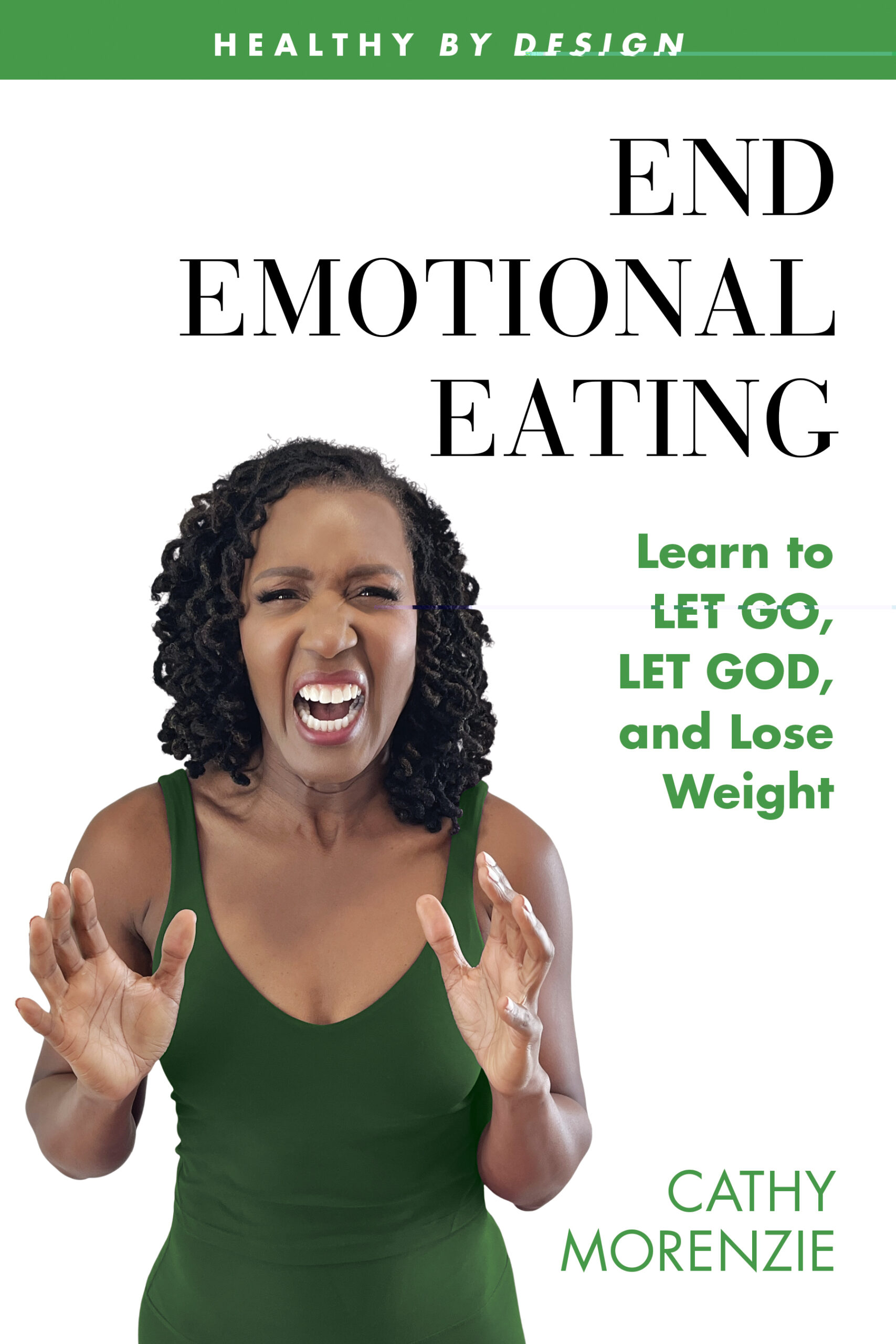
In my book End Emotional Eating, I walk with you through:
-
Understanding the real roots of emotional eating
-
Learning how to respond to emotions without food
-
Releasing guilt, shame, and self-sabotage
-
Inviting God into the most intimate parts of your health journey
If emotional eating has been a quiet struggle for you, you don’t have to keep fighting it alone.
👉 Learn more about End Emotional Eating here
A Final Word of Encouragement
Emotional eating doesn’t mean you’re weak.
It means something inside you is asking to be cared for.
And sometimes, healing begins with a pause…
and one honest question.